Xero for Singapore compliance and sector workflows
SMEs wanting compliance inside the platform
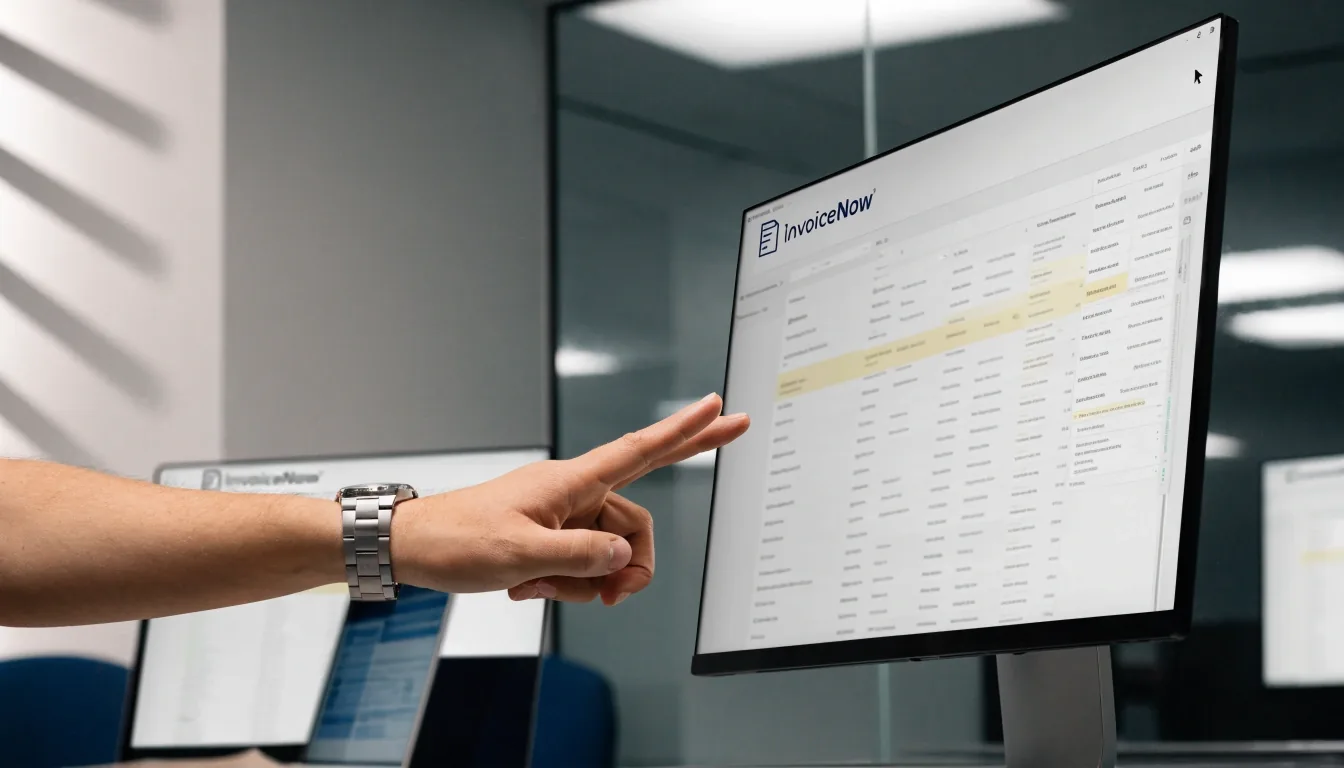
Xero is a Singapore-localized cloud accounting product with dedicated Singapore feature pages. It positions itself around invoicing, payroll, reporting, bank feeds, and multi-factor authentication. On the integration side, it states it connects with major Singapore banks including DBS, OCBC, and UOB, and it highlights support for Singapore e-invoicing rules and InvoiceNow. That combination makes it a common starting point for SMEs that want local compliance handled inside the platform rather than through add-ons.
Zoho Books for teams already in the Zoho stack
Small businesses and service firms
Zoho Books is the accounting product inside Zoho's wider business software suite. It covers invoicing, expenses, bank reconciliation, and GST workflows, and it is widely used by small businesses and service firms. Its clearest advantage is fit: if your team already runs Zoho CRM or other Zoho applications, accounting sits in the same environment instead of beside it. If you use none of those tools, that advantage disappears and the comparison should be made on other criteria.
MYOB Business for familiarity and admin depth
Teams with a MYOB history
MYOB Business comes from a long-established accounting vendor, and it is typically associated with bookkeeping, payroll, and small-business financial management. It is recognized in markets that value accounting familiarity and business admin features. In Singapore SME conversations it is often compared with Xero and QuickBooks. If your team has used MYOB before, or your accountant has, the learning curve is shorter than moving to an unfamiliar system.
Wave Accounting for very small operations
Freelancers and low-invoice businesses
Wave Accounting focuses on small-business bookkeeping and invoicing with a simple interface and a lightweight setup. It is commonly discussed as a lower-complexity option for very small businesses and freelancers, and it centers on basic financial tracking rather than deep enterprise controls. If you issue a handful of invoices a month and do not carry inventory, that simplicity is a benefit. If you are GST-registered with high transaction volume, it will run out of road quickly.
Oracle NetSuite for companies past the bookkeeping stage
Mid-market and multi-subsidiary
Oracle NetSuite is a cloud ERP with accounting, financial management, and reporting modules. It is used by growing companies that have outgrown simple bookkeeping software, and it is known for multi-subsidiary, multi-currency, and more complex finance operations. It is typically positioned for mid-market and larger businesses rather than sole proprietors. The comparison question is not whether it is better, but whether your finance function has reached the complexity it is built to handle.